Wildfire Smoke Blankets Great Lakes, Northeast, Causing Health Advisories and Event Disruptions
Wildfire smoke originating from Canada and Minnesota is significantly impacting air quality across the Great Lakes, Northeast, and Mid-Atlantic regions of the United States, causing hazy conditions, health advisories, and event postponements, including in Washington D.C. and Ohio. While some…
 Miami Fort Lauderdale, FL, July 18, 2026 —
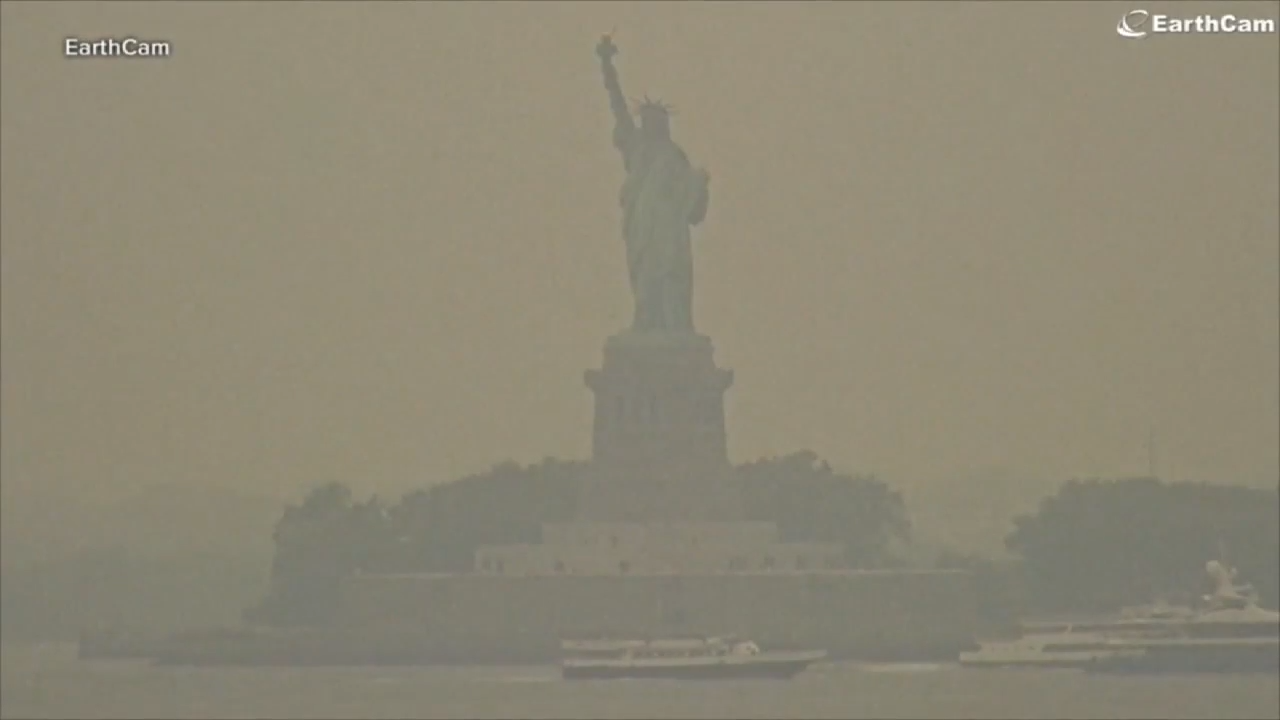
Widespread haze and deteriorating air quality are affecting large swaths of the United States, as smoke from wildfires in Canada and Minnesota drifts southward. The affected regions include the Great Lakes, Northeast, and Mid-Atlantic states, leading to significant disruptions and health concerns.
Areas experiencing the most pronounced impacts include major metropolitan centers such as Washington D.C. and cities across Ohio. Residents in these and surrounding areas have reported hazy skies and a noticeable decline in air quality. Health advisories have been issued by local authorities, recommending that vulnerable populations, including children, the elderly, and individuals with respiratory or heart conditions, limit their time outdoors.
The ongoing smoke has also led to the postponement or cancellation of various outdoor events. Specific details regarding which events have been impacted were not provided in the summary, but the trend indicates a broad effect on public and private activities planned outdoors.
Forecasters are monitoring weather patterns closely. While weekend storms may offer some temporary relief by potentially clearing the air in certain locations, the overall outlook suggests the smoke could persist for at least another week. The duration and severity of the smoke’s presence are heavily dependent on prevailing wind patterns, which could shift the smoke plumes or bring in cleaner air.
The origin of the smoke has been identified as active wildfires in Canada and Minnesota. The scale of these fires contributes to the significant volume of smoke being carried across such a wide geographical area. No information was provided regarding specific firefighting efforts or containment status of the fires themselves.
Officials continue to advise the public to stay informed about local air quality indexes and to follow health recommendations during this period of reduced air quality. The exact timing and extent of the smoke’s dissipation remain uncertain, contingent on meteorological developments.
Story summarized from the original created by Jayme Berezdivin on wsvn.com, see more information here.
Media gallery