Tennessee School Districts Approve Ten Commandments Displays Amid Legal Scrutiny
Five school districts in Tennessee have approved plans to display the Ten Commandments in their schools, following a new state law that permits such displays alongside the Declaration of Independence and the U.S. Constitution. The ACLU of Tennessee and other…
 Nashville, TN, August 22, 2026 —
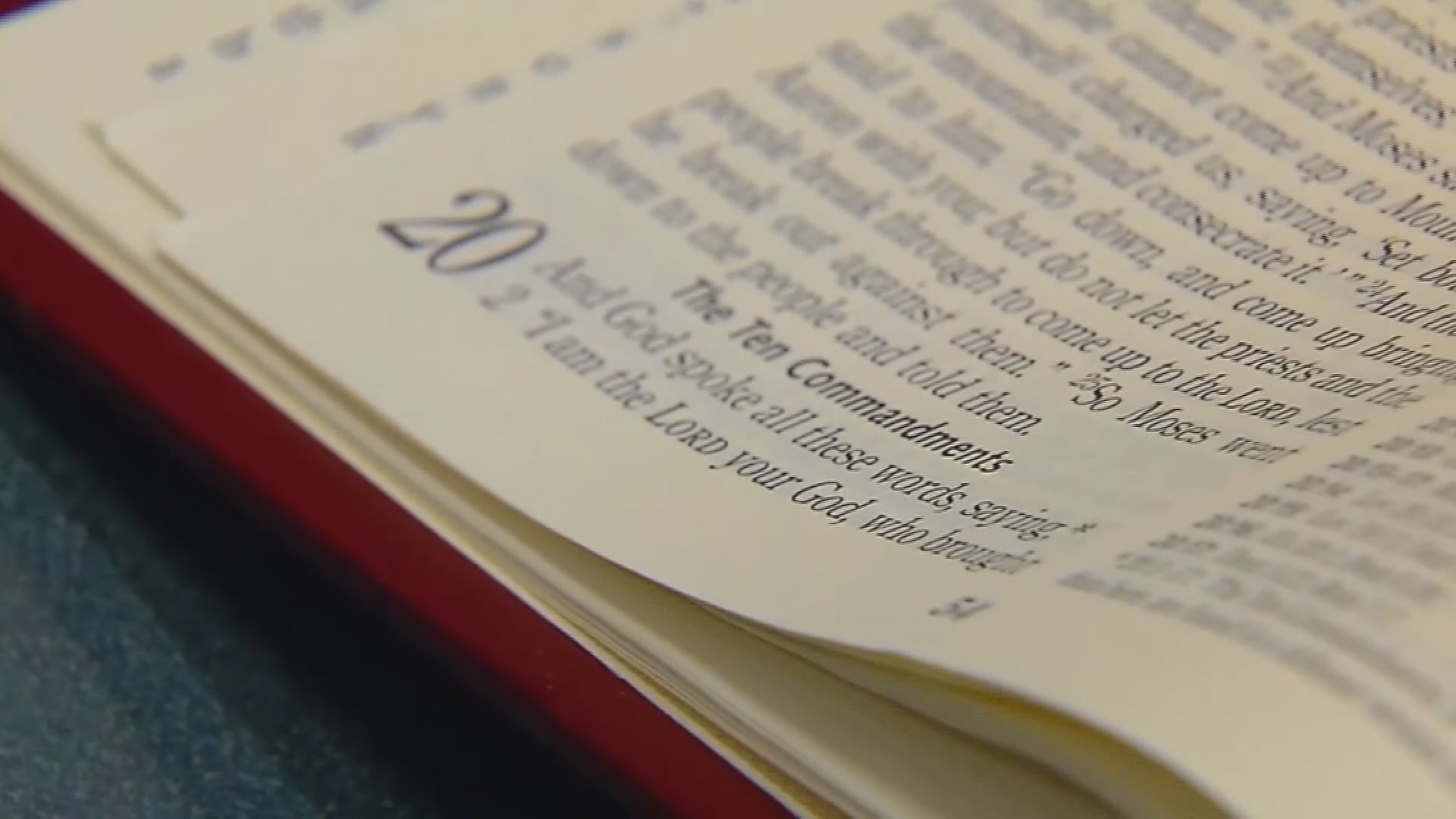
Five school districts in Tennessee have officially approved plans to introduce displays of the Ten Commandments within their schools. This development comes in the wake of a recent state law that allows for such religious texts to be exhibited in public educational institutions, provided they are presented alongside other foundational American documents like the Declaration of Independence and the U.S. Constitution.
The specific school districts that have greenlit these displays have not been fully detailed in public records. However, the move has prompted action from civil rights organizations. The American Civil Liberties Union (ACLU) of Tennessee, along with other advocacy groups, has initiated requests for public records from these districts. These requests aim to gather information pertaining to the decision-making process, the specifics of the planned displays, and any associated policies or guidelines adopted by the districts.
The new state law, which enables the placement of the Ten Commandments in schools, has been a focal point of discussion and legal challenges. Proponents of the law argue it promotes historical and moral education, while opponents, including the ACLU, contend that it may violate the separation of church and state principles enshrined in the U.S. Constitution. The ACLU of Tennessee has stated its intention to review the records to understand how these decisions were made and to assess potential legal implications.
The public record requests are part of a broader effort by civil rights organizations to monitor the implementation of the new state law across Tennessee. By examining the districts’ plans, these groups seek to ensure compliance with legal requirements and to address any concerns regarding the constitutional appropriateness of the displays. The outcome of these reviews and the information obtained from the public records could inform future legal or public policy discussions surrounding religious expression in public schools.
Story summarized from the original created by Danica Sauter on www.wsmv.com, see more information here.
Media gallery